

Prescription GLP-1 medications can run $200 to $1,500 per month depending on the drug, dose, and provider—and most people don’t discover the real number until after they’ve committed. This Online GLP-1 Cost Guide: Protect Your Budget Early exists because sticker shock is avoidable when you know where markups hide. You’ll learn how dose-based pricing, membership fees, and add-on charges inflate your total, and how to compare programs on the number that actually matters: your all-in monthly cost.
Hawt Telehealth simplifies the math with physician-supervised Weight Loss Plans built around transparent pricing from the start. Licensed physicians handle your online evaluation, build a personalized treatment plan, and provide ongoing support—with fast home delivery and no surprise jumps as your dose changes. Before you enroll anywhere, review the flat-rate versus dose-hike pricing breakdown so your budget holds steady month after month.

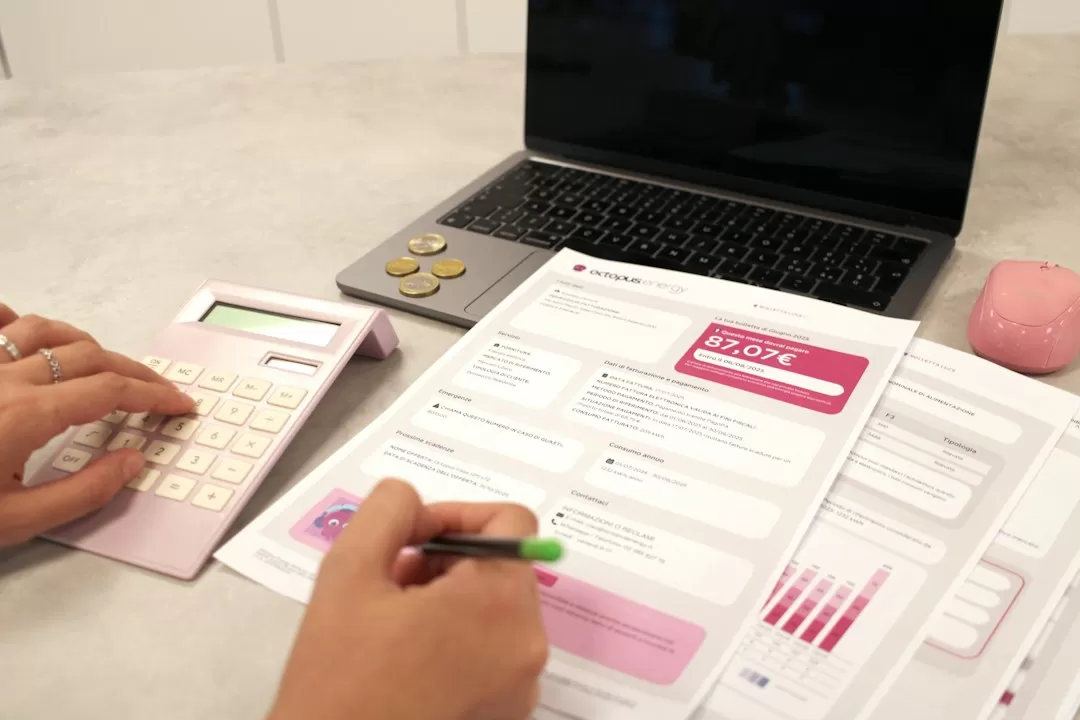
The Hidden Financial Strain of Delaying GLP-1 Cost Planning
Understanding why early cost planning matters is only half the battle; recognizing the specific ways that unplanned GLP-1 expenses can destabilize your finances is what transforms awareness into action. Before you can protect your budget, you need to see exactly where the leaks occur and how they compound over time. The following sections examine the real-world consequences of entering GLP-1 treatment without a clear financial strategy in place.
The Trap of Sticker Shock After Commitment
The most common pain point for patients pursuing GLP-1 medications is discovering the true monthly cost only after they have already invested time, hope, and emotional energy into the process. Many individuals begin an online consultation believing the advertised starting price reflects their actual out-of-pocket expense, only to learn later that dose titrations, pharmacy dispensing fees, and non-covered formulations push the real number far higher. This delayed revelation creates a financial whiplash effect: patients feel psychologically committed to continuing treatment for their health goals but are suddenly confronted with a recurring expense they never budgeted for. The consequence is often a painful choice between abandoning a treatment plan mid-course or absorbing credit card debt that quietly accumulates month after month.
Dose Escalation and the Creeping Cost Curve
GLP-1 therapy is rarely a static expense. Most clinical protocols require gradual dose increases to achieve and maintain therapeutic effect, and each step up the dosing ladder frequently corresponds to a higher price point at the pharmacy. A patient who budgets based on an introductory dose may find that their monthly cost rises by thirty to fifty percent within the first few months—precisely when they are seeing results and are most reluctant to stop. Without a forward-looking cost projection that accounts for titration schedules, households can experience a slow-motion budget squeeze, where discretionary spending is silently cannibalized and savings contributions are quietly suspended. This creeping cost curve is one of the most underappreciated risks in the GLP-1 landscape, and it disproportionately affects patients who never mapped out their full treatment economics in advance.
The Compounding Cost of Interrupted Treatment
When patients are forced to pause or discontinue GLP-1 therapy because of unanticipated expenses, the financial damage often extends well beyond the missed doses. Research on weight-management interventions consistently shows that stopping treatment prematurely frequently leads to weight regain, which can erase progress and require a costly restart later—sometimes at a higher dose and therefore a higher price. Patients may also incur duplicate consultation fees when re-initiating care, repeat lab work, and the emotional toll of starting over. In this way, failing to protect the budget early does not simply delay spending; it multiplies it. The hidden cost of interruption is one of the strongest arguments for treating GLP-1 pricing transparency as a preventive financial measure rather than an afterthought.
Pharmacy Variability and the Price Lottery
Even patients who carefully research GLP-1 costs can be blindsided by the wide variability between pharmacies, fulfillment channels, and insurance formularies. The same medication and dose can carry dramatically different price tags depending on whether it is dispensed through a retail chain, a mail-order service, a compounding pharmacy, or a manufacturer’s direct program. Without a clear understanding of these variables upfront, patients become passive participants in a price lottery—accepting whatever quote arrives at checkout because they lack the framework to compare alternatives. This lack of price literacy leaves budgets exposed to arbitrary fluctuations and removes the patient’s ability to plan with confidence. Recognizing this variability as a structural problem, not a personal failing, is the first step toward reclaiming control.
The Silent Drain of Subscription Creep and Ancillary Fees
Beyond the headline medication price, GLP-1 treatment often carries a constellation of ancillary costs that are easy to overlook: program membership fees, mandatory coaching add-ons, expedited shipping charges, and auto-renewal subscriptions that bill whether or not the patient actively uses the service that month. Individually these fees can seem minor, but together they can add hundreds of dollars annually to the true cost of care. Patients who do not audit their recurring charges early often discover, months into treatment, that they are paying for services they neither requested nor need. This silent drain erodes budget flexibility and can make an otherwise affordable treatment feel unsustainable. Proactive cost planning means identifying every line item before it becomes a recurring obligation, so that the only expenses on your statement are the ones delivering genuine clinical value.

Final Thoughts: Online GLP-1 Cost Guide: Protect Your Budget Early
Protecting your budget from the financial strain of GLP-1 treatment begins with preparation, not reaction. The most important takeaways from this guide are clear: build a realistic, all-inclusive cost projection before treatment starts, confirm your coverage and pharmacy options in advance, and establish a dedicated financial buffer so that routine refills and dose adjustments never catch you off guard. Readers who act on these steps now can pursue physician-supervised weight loss with confidence, knowing their treatment plan and their finances are aligned from day one.
Take control of your GLP-1 cost planning today by putting these strategies into practice before your first prescription is filled. Hawt Telehealth supports your budget-protection efforts with transparent, physician-supervised weight loss programs, online evaluations, ongoing support, and fast home delivery—all through a convenient, HIPAA-compliant virtual care experience. Learn more! Hawt Telehealth.

References
- U.S. Food and Drug Administration (FDA)
- Centers for Disease Control and Prevention (CDC)
- American Diabetes Association