
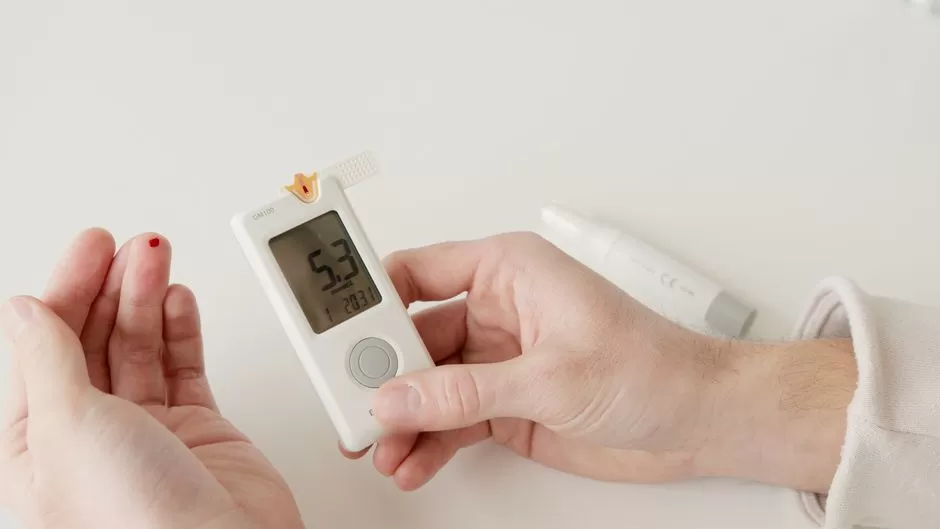
GLP-1 medications can carry a list price of $900 to $1,300 per month, yet the amount you actually pay through telehealth often depends on fees buried deep in the fine print. A clear GLP-1 Pricing Guide: Spot Hidden Telehealth Fees Fast helps you see past the headline number and understand what drives your true monthly cost. From consultation charges to dose-dependent medication markups, the line items that matter most are rarely the ones advertised.
Hawt Telehealth simplifies this by pairing licensed physicians with transparent, personalized treatment plans for physician-supervised weight loss, including GLP-1 options where appropriate. Every plan begins with an online evaluation, includes ongoing support, and ships medication fast to your door—so you know what you’re getting and why. You can also review how dose markups affect pricing to compare costs with confidence.

The Hidden Costs That Quietly Inflate Your GLP-1 Bill
Understanding why transparency matters is only half the battle; the real challenge lies in recognizing exactly where your money disappears. Even when a telehealth provider advertises a competitive monthly rate for GLP-1 medications, the final amount charged to your card often tells a very different story. The following breakdown isolates the specific pressure points where Hidden Fees accumulate, so you can spot the warning signs before you commit to a program.
Consultation and “Program” Fees That Never Appear in the Headline Price
One of the most common sources of billing shock is the separation between the medication price and the cost of simply being a patient. Many platforms advertise a low drug price but require a mandatory initial consultation fee, a recurring monthly “membership” or “program” fee, and sometimes a separate charge for each asynchronous message sent to a provider. These administrative layers can add $50 to $150 per month before a single dose is shipped. Worse, because these fees are often categorized differently from the medication itself, they may not be eligible for insurance reimbursement or HSA spending, leaving you to absorb the full cost out of pocket.
Compounding Pharmacy Markups and Dosage Titration Traps
The price you see quoted is frequently tied to the lowest introductory dose, not the therapeutic dose you will eventually need. As your physician titrates your GLP-1 dosage upward for better glycemic control or weight management, the cost per vial can climb significantly, yet this escalation is rarely disclosed upfront. Additionally, some telehealth models route prescriptions through affiliated compounding pharmacies that apply their own dispensing and processing markups. Because compounded semaglutide and tirzepatide are not standardized in the same way as brand-name pens, the concentration and volume per vial can vary, making it nearly impossible to compare true cost-per-milligram across providers without a line-item breakdown.
Auto-Renewal Clauses and Cancellation Penalties That Lock You In
Buried in the terms of service, many GLP-1 programs enroll patients in automatic recurring billing cycles with narrow cancellation windows. Miss the window by even a day, and you may be charged for a full month’s supply regardless of whether you have paused treatment or experienced side effects requiring a break. Some contracts also impose early termination fees or require you to return unopened medication at your own expense to stop the subscription. These clauses create a financial trap: patients who need to stop treatment for medical or financial reasons end up paying for medication they cannot use, turning a manageable monthly expense into a sunk cost that compounds month after month.
Shipping, Handling, and Cold-Chain Surcharges
GLP-1 medications require temperature-controlled logistics to maintain efficacy, and that cold-chain infrastructure comes at a price. While some providers absorb shipping costs into their headline rate, others tack on expedited shipping fees, insulated packaging surcharges, and signature-required delivery upgrades. During summer months or to rural ZIP codes, these fees can spike without warning. A patient comparing two $299-per-month offers may discover that one includes free refrigerated delivery while the other adds $40 to $60 in handling and logistics charges, erasing any apparent savings and creating a recurring budget strain that was never part of the advertised plan.
Learn more! Hawt Telehealth.


Final Thoughts: GLP-1 Pricing Guide: Spot Hidden Telehealth Fees Fast
Armed with the right questions and a sharp eye for detail, you now hold the keys to navigating the GLP-1 landscape with confidence. The most important takeaways bear repeating: always demand a full, itemized breakdown of costs before committing, scrutinize the fine print for ancillary charges like consultation, lab, and shipping fees, and remember that the lowest advertised price is rarely the final price. By treating transparency as a non-negotiable standard rather than a bonus, you transform yourself from a passive buyer into an empowered healthcare consumer who can spot a misleading bargain from a mile away and allocate your budget toward the treatment that truly serves your health goals.
Put this knowledge to work today by requesting clear, upfront pricing from any provider you consider—and expect nothing less than full disclosure. At Hawt Telehealth, we champion that same standard of clarity, offering straightforward pricing on personalized, physician-supervised Weight Loss Plans and GLP-1 treatments delivered directly to your door. Learn more! Hawt Telehealth.

References
- U.S. Food and Drug Administration (FDA)
- Centers for Medicare & Medicaid Services (CMS)
- U.S. Department of Health and Human Services (HHS)